
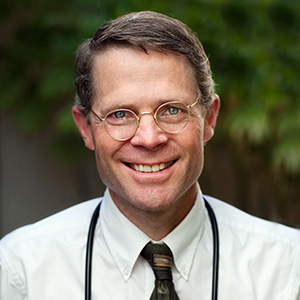
Scott Saunders, MD
Medical & Nutrition Advisor
Disillusioned with the current state of affairs in modern healthcare, Dr. Saunders decided to leave the traditional world of medicine to start his own clinic in Santa Barbara county in California. He graduated from UCLA Medical School, but grew frustrated with "the system" which didn't allow much for alternative remedies - even though he knew they were more effective with less side effects. He is now the director of The Integrative Medicine Center of Santa Barbara, which balances conventional medicine with alternative healing modalities to achieve optimal wellness.
In this video we cover:
- Why blood pressure rises, and the overlooked root fixes that matter most
- Food-as-medicine picks like potassium and spices to support steadier numbers
- A 60-second relaxation trick to ease pressure—plus how to work with your doctor
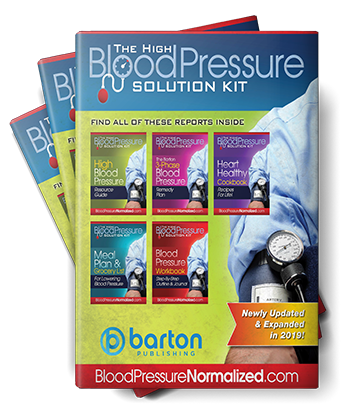
The High Blood Pressure Solution Kit is a complete lifestyle guide with over 100 pages of practical resources to help you manage blood pressure naturally. Inside, you'll find Dr. Saunders' 3-Phase Blood Pressure Remedy Plan, which walks you through jump-starting your reversal, identifying root causes, and creating long-term lifestyle habits. The kit also includes a comprehensive Resource Guide, natural remedies, quick tips, and a Heart Healthy Cookbook with recipes, meal plans, and a full grocery list to make healthy eating simple. Plus, you'll get a step-by-step outline and journal to track your progress and stay on course. All of this is delivered instantly in digital format, backed by our unconditional 365-day money back guarantee

Take Full Advantage of Barton's 100% NO RISK MONEY BACK GUARANTEE
The High Blood Pressure Solution Kit comes with a 365 Day, 100% Money Back Guarantee. That means if you change your mind about this decision at any point in the next 365 days... all you need to do is contact our US based Customer Service and we will refund your purchase.
We’re so excited to have you join the growing community of people committed to making positive changes in their lives.